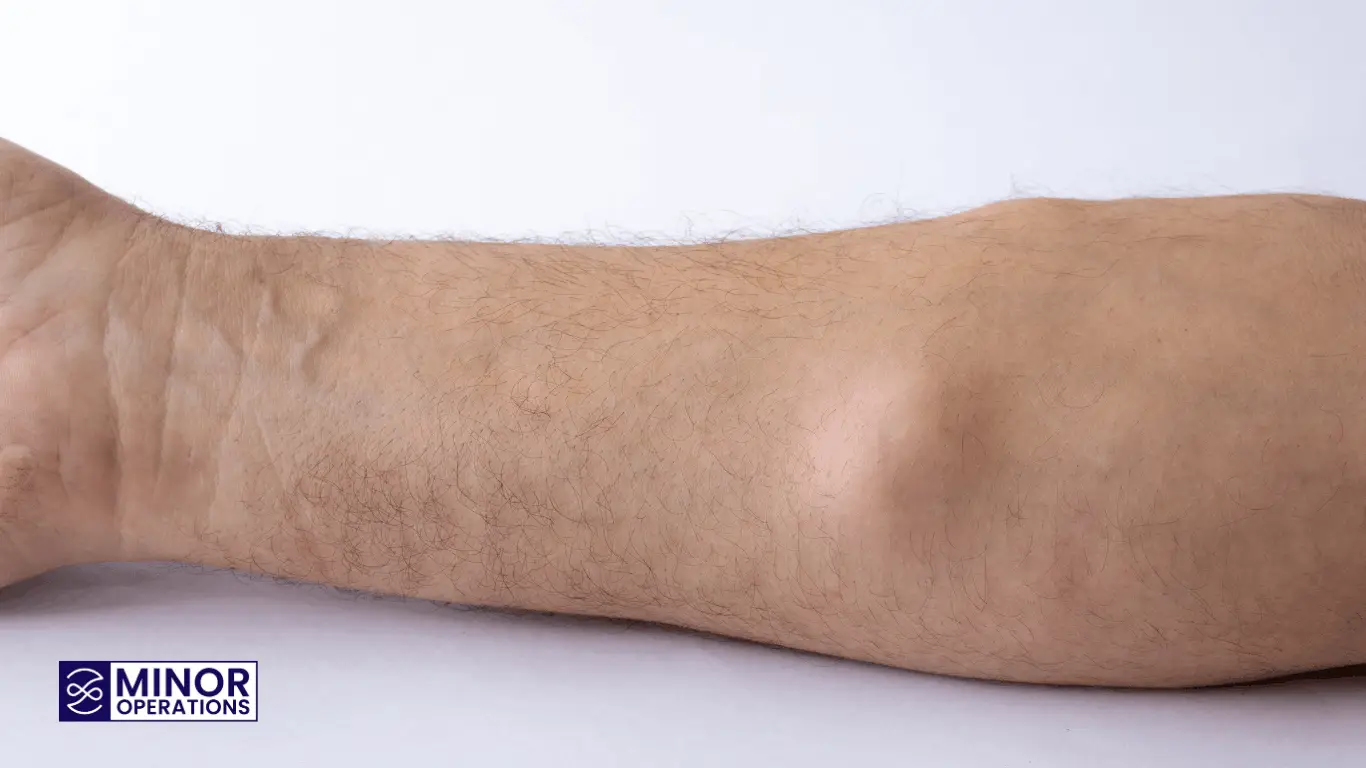
You’ve noticed a raised, thickened lump where a scar should have been. It’s grown beyond the original wound, it itches, and it doesn’t seem to be going away. If this sounds familiar, it may be a keloid scar, and you’re not alone. They’re more common than most people realise, and there are effective treatment options available in the UK.
Keloids are harmless, but they can be uncomfortable, itchy, or cause real distress about how they look , especially when they appear in visible areas such as the chest, shoulders, or earlobes. Understanding why they form and what can be done about them is the first step towards managing them effectively.
Key Takeaways
- Keloid scars are raised scars that grow beyond the boundaries of the original wound.
- They can develop after cuts, burns, acne, piercings, or even minor skin injuries.
- Keloids are not dangerous but may cause itching, discomfort, or cosmetic concern.
- The NHS does not routinely treat keloids unless there is a significant clinical need.
- Private treatment options include steroid injections, laser therapy, and surgical removal, often in combination.
What is a Keloid Scar?
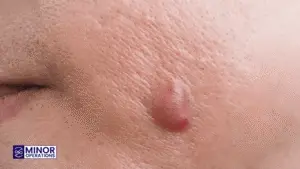
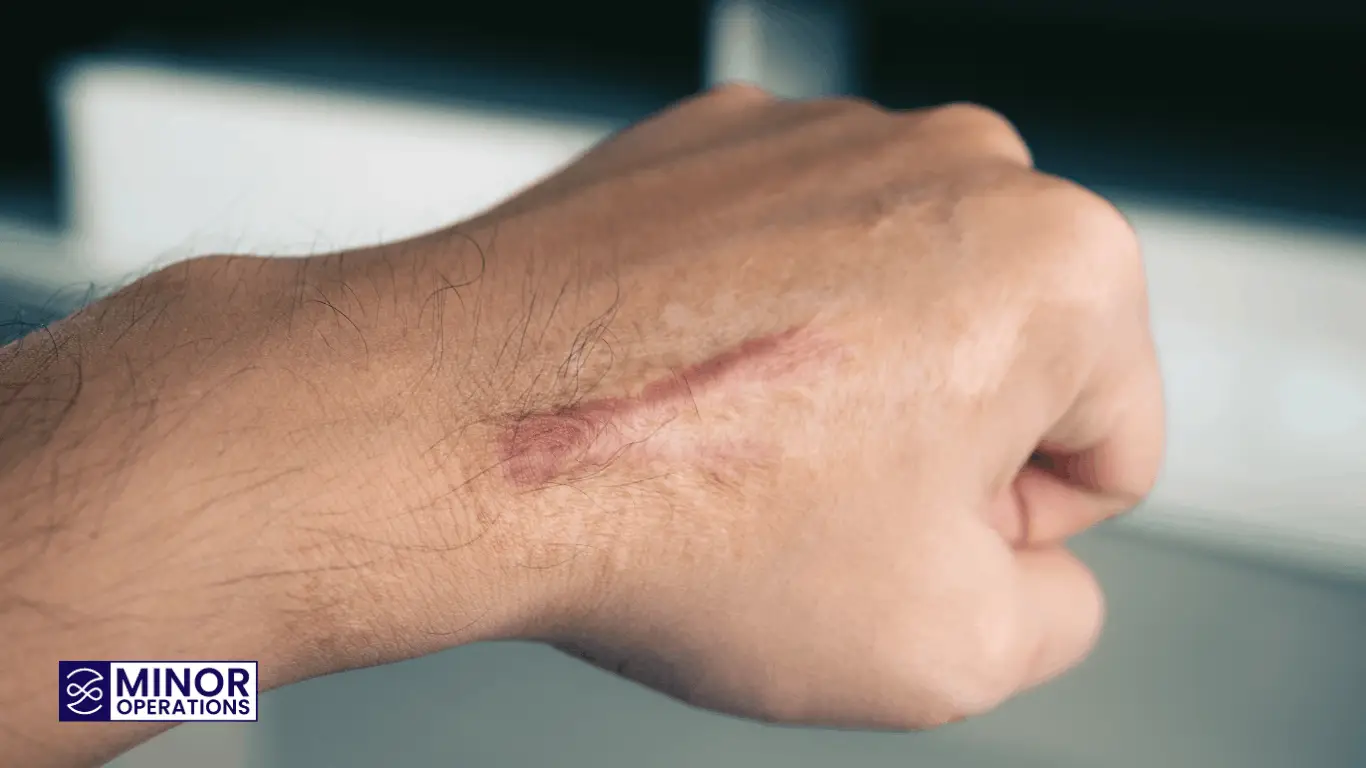
A keloid scar is a type of abnormal wound healing where excess collagen is produced, leading to a thick, raised scar that spreads beyond the original injury site. [1]
Unlike typical scars, which gradually flatten and fade over time, keloids may continue to grow for months or even years. They often appear shiny, smooth, and can be pink, red, or darker than the surrounding skin.
Keloids are commonly confused with hypertrophic scars, but there is a key difference. Hypertrophic scars remain within the boundaries of the original wound, while keloids extend beyond it.
Keloid vs Hypertrophic Scar: What Is the Difference?
Keloids are often confused with hypertrophic scars because both are raised and can develop after the same types of skin injury. The difference comes down to behaviour and boundaries.
A hypertrophic scar stays within the edges of the original wound. It may be thick and raised, but it doesn’t spread. Many hypertrophic scars also improve on their own over time, gradually flattening without any treatment.
A keloid grows beyond the original wound boundary entirely. It can extend into the surrounding healthy skin and continue growing for months or years after the injury has healed. This tendency to spread and persist is what makes keloids more difficult to treat and more likely to require professional intervention.
If you’re unsure which type of scar you have, a GP or dermatologist can assess it. The distinction matters because treatment approaches differ between the two.
What Causes Keloid Scars?
Keloids form when the skin’s healing process becomes overactive. Instead of stopping once the wound is repaired, the body continues producing collagen.
Common triggers include:
- Skin injuries such as cuts, burns, or surgical wounds.
- Acne or chickenpox scars.
- Piercings, particularly on the ears.
- Insect bites or minor trauma to the skin.
- Vaccination sites in some cases.
Some people are more prone to keloids than others. They are more common in younger individuals and in people with darker skin tones. Genetics also play a role, meaning they can run in families. [3]
What are the Symptoms of a Keloid?
Keloids are usually easy to recognise, but their symptoms can vary.
Common features include:
- A raised, thickened area of skin that continues to grow over time.
- A firm or rubbery texture.
- Colour that ranges from pink to dark brown.
- Itching or tenderness in the area.
Occasional discomfort or sensitivity, especially if located on a joint or an area exposed to friction.
While keloids are benign, their size and location can make them bothersome, particularly if they catch on clothing or affect appearance.
Does the NHS Treat Keloid Scars in the UK?
In practice, a GP will assess the keloid and may refer to a dermatologist if symptoms are severe. NHS dermatology waiting times for non-urgent conditions can be lengthy, and treatment for keloids classified as primarily cosmetic is unlikely to be funded. Patients who want faster access or whose keloids do not meet NHS clinical criteria typically turn to private treatment.
How Are Keloid Scars Treated?
Treating keloids can be challenging, and no single treatment works for everyone. In many cases, a combination approach gives the best results.
Non-Surgical Treatments
These are usually the first line of treatment:
- Steroid injections help reduce inflammation and flatten the scar over time.
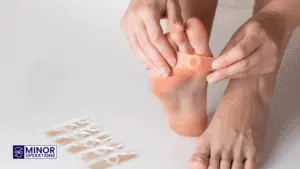
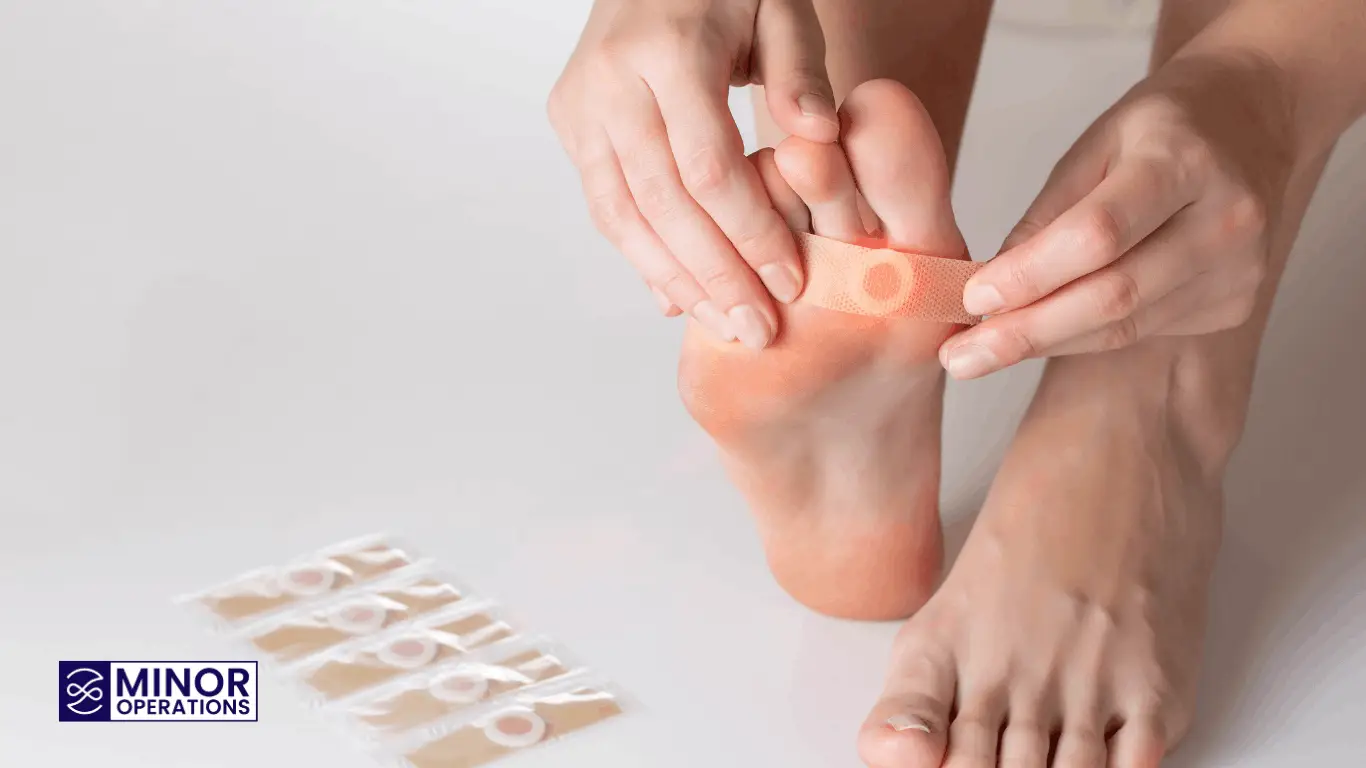
- Silicone gel sheets or dressings can soften and reduce the size of the keloid.
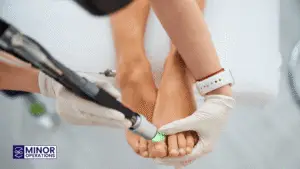
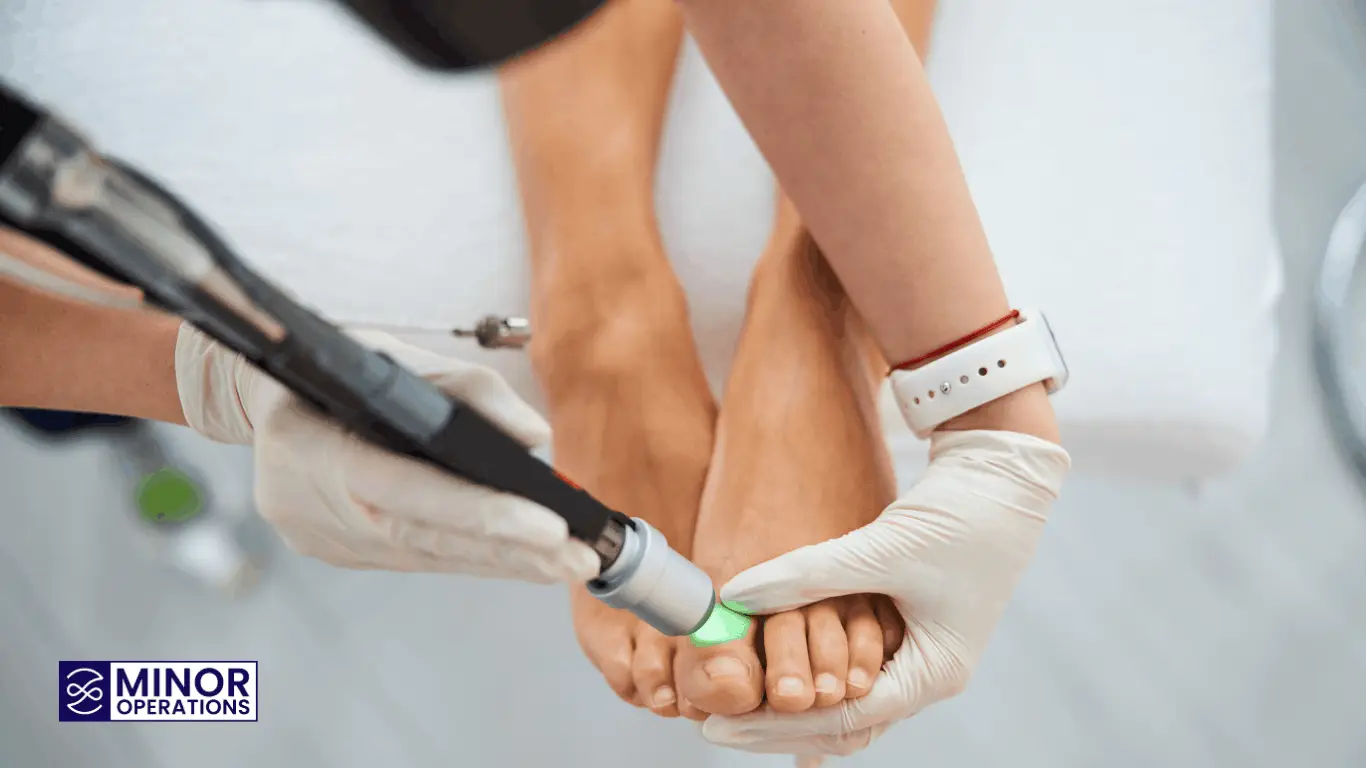
- Laser therapy may reduce redness and improve texture.
- Cryotherapy (freezing) can shrink smaller keloids.
These treatments are often delivered over multiple sessions and require patience, but they can significantly improve the appearance and symptoms. [3]
Surgical Removal
Surgical excision involves cutting out the keloid under local anaesthetic. However, this is not always a standalone solution.
Keloids have a high recurrence rate after surgery if no additional treatment is used. For this reason, surgery is usually combined with:
- Steroid injections after removal.
- Pressure therapy or silicone dressings.
- In some cases, radiotherapy to reduce recurrence risk.
When performed by an experienced clinician with a proper aftercare plan, surgery can be effective, particularly for larger or resistant keloids.
Can You Get Rid of a Keloid Completely?
Keloids can be reduced significantly in size and symptoms, but complete and permanent removal is not always guaranteed.
Some may flatten and become less noticeable over time, while others may return even after treatment. The goal of treatment is usually to improve appearance, reduce discomfort, and prevent further growth rather than achieve complete disappearance.
A common question is whether keloid scars go away on their own. In most cases, they don’t. Without treatment, keloids tend to persist and may continue to grow.
Should You Seek Treatment?
If the keloid is growing, becoming more visible, or causing itching and discomfort, treatment is worth considering sooner rather than later. Keloids that are left untreated tend not to resolve on their own, and smaller keloids generally respond better to treatment than larger, long-established ones. A specialist can assess the scar and recommend the most appropriate approach based on its size, location, and how long it has been present.
You can explore professional keloid scar treatment through Minor Operations and submit your enquiry.
This article is for informational purposes only and does not constitute medical advice. If you are unsure whether a skin growth is a simple skin tag or something that requires further investigation, please speak to your GP. To find out about accessing private skin tag removal through Minor Operations, visit minoroperations.co.uk.
Frequently Asked Questions
Do keloid scars go away on their own?
Keloids do not usually go away without treatment. Some may stabilise or become less noticeable over time, but most persist unless treated.
Are keloids dangerous?
No. Keloids are benign and not cancerous. However, they can cause discomfort or emotional distress depending on their size and location.
What is the difference between a keloid and a hypertrophic scar?
A hypertrophic scar stays within the original wound boundary, while a keloid grows beyond it and may continue expanding over time.
Is keloid treatment painful?
Most treatments, including injections and minor procedures, are well tolerated. Local anaesthetic is used where necessary to minimise discomfort.
Can keloids come back after removal?
Yes. Recurrence is common, particularly after surgical removal without follow-up treatment. Combination therapies are often used to reduce this risk.
How long does treatment for keloids take?
Treatment duration varies. Some keloids improve over a few months with injections or silicone therapy, while others may require longer-term management.
References
[1] NHS. (2023) Scars. Available at: https://www.nhs.uk/conditions/scars/ [Accessed: 29 April 2026].
[2] NHS England. (2024) Evidence-based interventions: Guidance for CCGs. Available at: https://www.england.nhs.uk [Accessed: 29 April 2026].
[3] British Association of Dermatologists. (2021) Keloid scars: Patient information leaflet. Available at: https://www.skinhealthinfo.org.uk/condition/keloids/ [Accessed: 29 April 2026].